Management Systems in Modern Manufacturing
Explore the changing role of digital management systems in manufacturing organizations and the growing need for connected operational information.
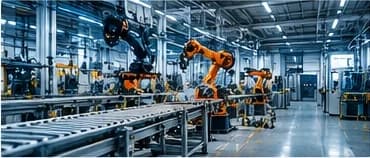
Modern manufacturing organizations manage increasingly complex operations involving production, quality, maintenance, supply chains, workplace safety, environmental responsibilities, and customer requirements. As these activities generate large amounts of information, structured management systems can help organizations coordinate processes, maintain visibility, and support more consistent operational decision-making.
The changing role of management systems in manufacturing
Manufacturing management systems have traditionally relied on documented procedures, registers, spreadsheets, forms, and manually maintained records. These tools can support individual processes, but managing large volumes of information across multiple departments can become increasingly difficult.
Modern digital management environments can provide a more connected approach by bringing relevant processes, responsibilities, records, workflows, and performance information together within a structured system. This broader approach is part of the ongoing shift toward digital transformation in industrial organizations.
Why connected information matters
Manufacturing operations generate information across many functions. Production teams, quality departments, maintenance teams, purchasing, engineering, safety teams, and management may all depend on information generated by related processes.
When information is distributed across disconnected sources, employees may need to spend additional time locating records, checking versions, communicating status, and manually consolidating information.
- Better visibility across manufacturing processes
- Improved coordination between departments
- More consistent access to current information
- Structured tracking of responsibilities and actions
- Better support for operational decision-making
Quality management in manufacturing
Quality management is closely connected with manufacturing operations. Organizations need to manage product requirements, process controls, inspections, nonconformities, corrective actions, customer feedback, audits, and continual improvement.
A structured management environment can connect quality information with relevant operational activities and provide greater visibility of issues, responsibilities, actions, and performance. Organizations can also explore digital quality management systems to understand how quality activities can be managed through connected digital workflows.
Connecting production and management processes
Manufacturing organizations often need to connect operational activities with management-system processes. Production information can provide important inputs for quality, maintenance, safety, risk management, and performance monitoring.
Connecting these processes can help organizations understand how operational activities affect broader management objectives and where improvement opportunities may exist. An Integrated Management System can provide a structured framework for connecting multiple management disciplines.
- Identify important operational information
- Connect relevant information with management processes
- Define responsibilities and workflows
- Monitor process performance
- Identify issues and improvement opportunities
- Track actions through completion and verification
Managing risks and operational issues
Manufacturing organizations need to manage a wide range of operational risks. These may relate to product quality, equipment, processes, workplace safety, suppliers, environmental conditions, information, or other aspects of production.
Structured risk-management processes can help organizations identify relevant risks, establish controls, assign responsibilities, monitor actions, and review effectiveness as operating conditions change.
Audits, corrective actions, and improvement
Manufacturing organizations regularly use audits, inspections, customer feedback, process monitoring, incidents, and nonconformities to identify areas requiring attention or improvement.
A structured corrective-action process helps ensure that identified issues are assigned to responsible teams, followed through to completion, supported by appropriate evidence, and reviewed for effectiveness.
- Record findings and observations
- Determine required corrective or improvement actions
- Assign responsibility and target dates
- Monitor action progress
- Maintain supporting evidence
- Verify effectiveness before closure
The role of digital management systems
Digital management systems can provide a structured environment for connecting manufacturing-related management processes. Documents, risks, audits, actions, inspections, responsibilities, approvals, and records can be managed through coordinated digital workflows.
A digital environment can also help reduce dependence on manually maintained spreadsheets and disconnected records while providing users with more consistent access to current information. The RIMBUSS Platform provides a broader digital environment for connecting management activities.
Supporting data-informed decision-making
Manufacturing decisions depend on timely and reliable information. Management teams may need to understand process performance, quality issues, open actions, audit findings, risks, and other operational information when making decisions.
Structured digital systems can make relevant information easier to access and review, helping responsible teams identify pending activities, recurring issues, and areas that require attention.
Building a connected manufacturing environment
A connected management environment does not require every manufacturing process to be replaced at once. Organizations can begin with important information flows and processes where improved visibility or coordination can provide practical value.
Over time, organizations can connect additional processes and information sources based on operational requirements, user needs, and improvement priorities. The broader RIMBUSS solutions can support different management requirements within this approach.
- Identify important information and process gaps
- Prioritize high-value digital workflows
- Define clear responsibilities
- Connect related management processes
- Monitor results and user adoption
- Expand the digital environment progressively
Conclusion
Management systems play an important role in helping modern manufacturing organizations coordinate quality, operational, safety, environmental, and other organizational requirements. As manufacturing processes become increasingly information-driven, connected management environments can provide greater visibility and coordination.
Digital management systems can support this transition by connecting information, workflows, responsibilities, records, actions, and performance within a structured environment designed around the organization's actual manufacturing processes. Organizations interested in exploring a connected manufacturing management environment can request a RIMBUSS demo.